The two major home construction methods.
Choosing to build your home in Western Australia is not just a matter of deciding between different companies; increasingly, it is about choosing the construction type. The two major alternatives, especially for people in regional WA, are between a traditional “brick and tile” house or a modular steel-framed home.
Both methods must comply with the same strict building codes; however, they vary significantly in terms of logistics, materials, and importantly, timelines. This guide explores the “how” and “why” of modular vs brick, to help you determine which best suits your location and lifestyle.
What’s the difference between brick and modular construction?
Traditional Brick Construction
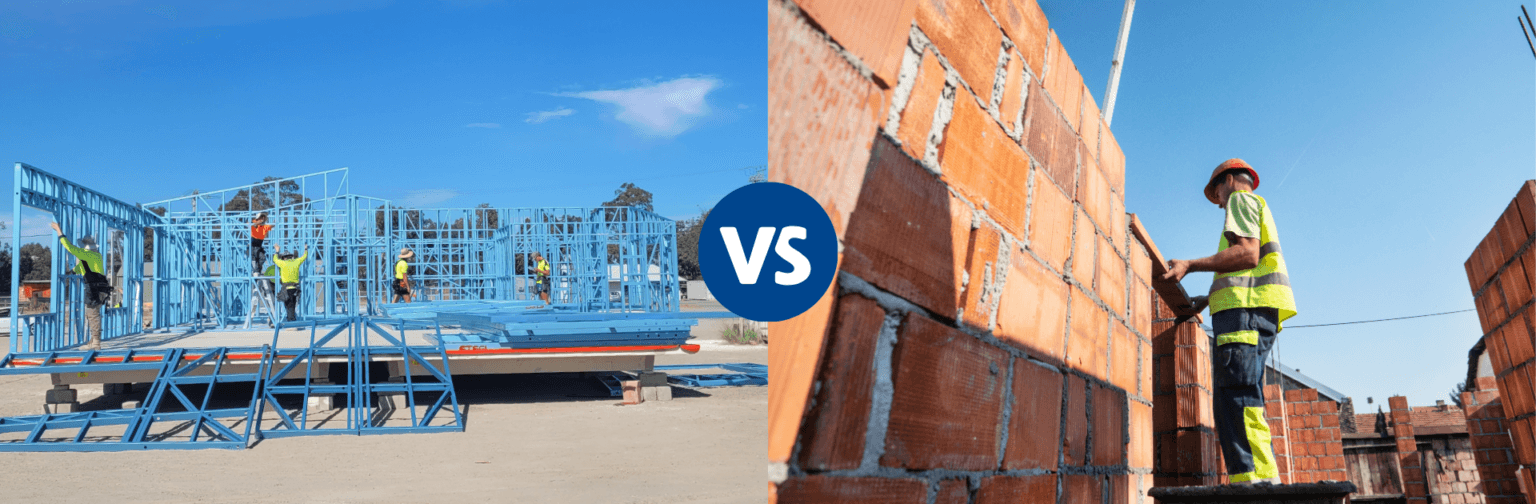
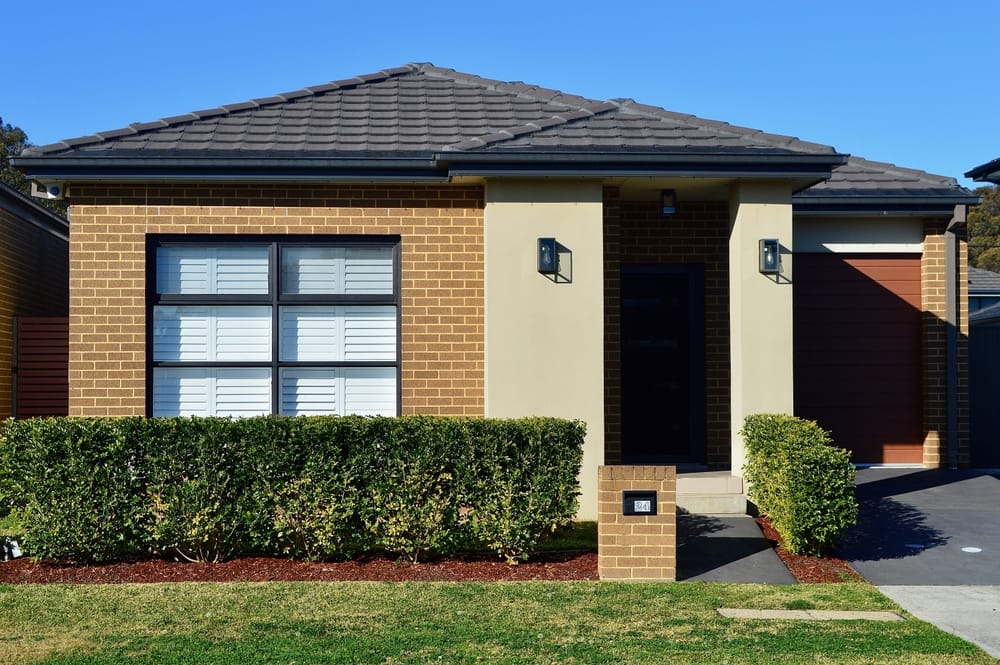
The ‘brick and tile’ method is the most common construction method in WA. These are built from the ground up, with materials delivered to the block in stages. It relies on coordinating multiple trades—bricklayers, roof carpenters, and electricians to arrive on-site in a specific order. Given its popularity, West Australians have been reluctant to consider other methods, but we’re seeing a growing shift in perceptions.
Modular Construction
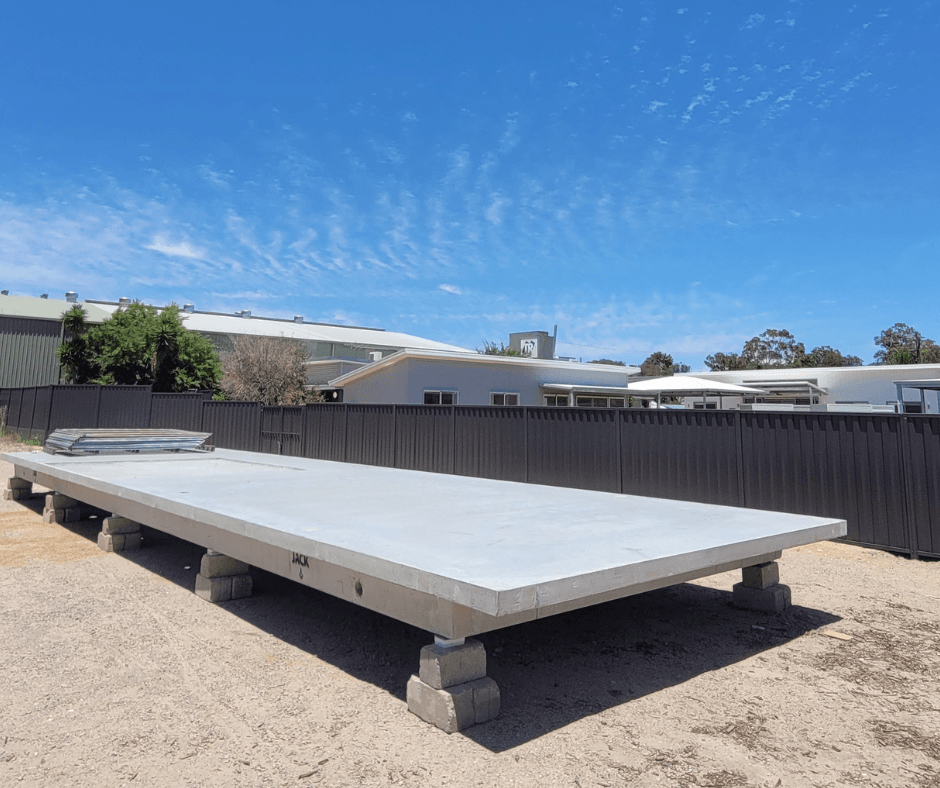
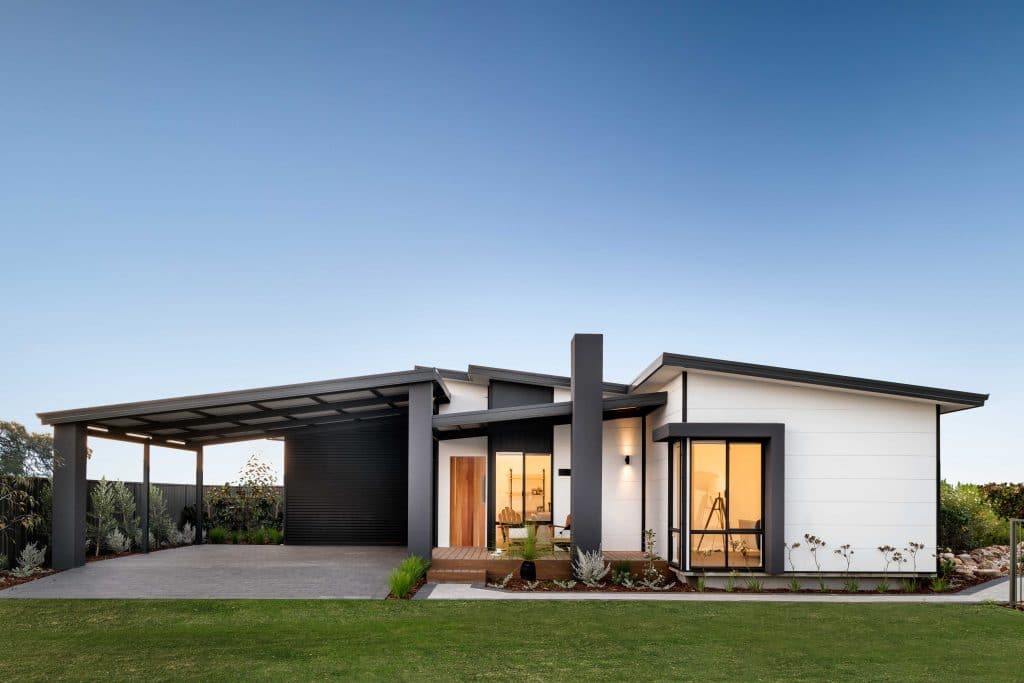
Modular building involves building the home in sections—or modules—within a controlled, factory-type environment. Each module is built separately on a concrete slab in a manufacturing yard, then transported by truck to the site for final assembly, installation and connections.
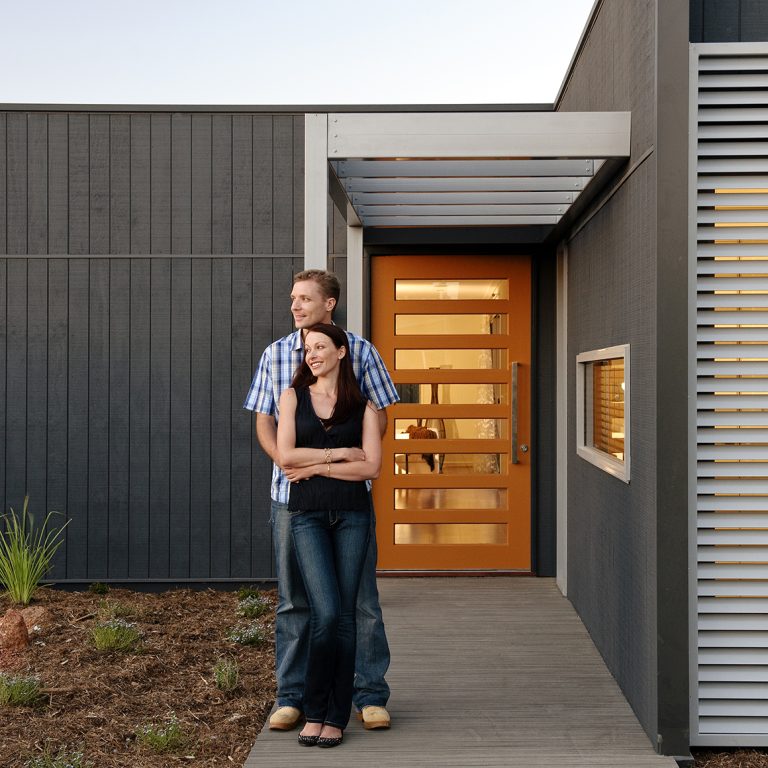
Not to be confused with temporary “mining dongas,” modular homes built by TR Homes are permanent, high-specification, architecturally designed homes that deliver the same quality of lifestyle and comfort.
Is a traditional or modular build better for your location?
Where you live matters when choosing what method is best for your block.
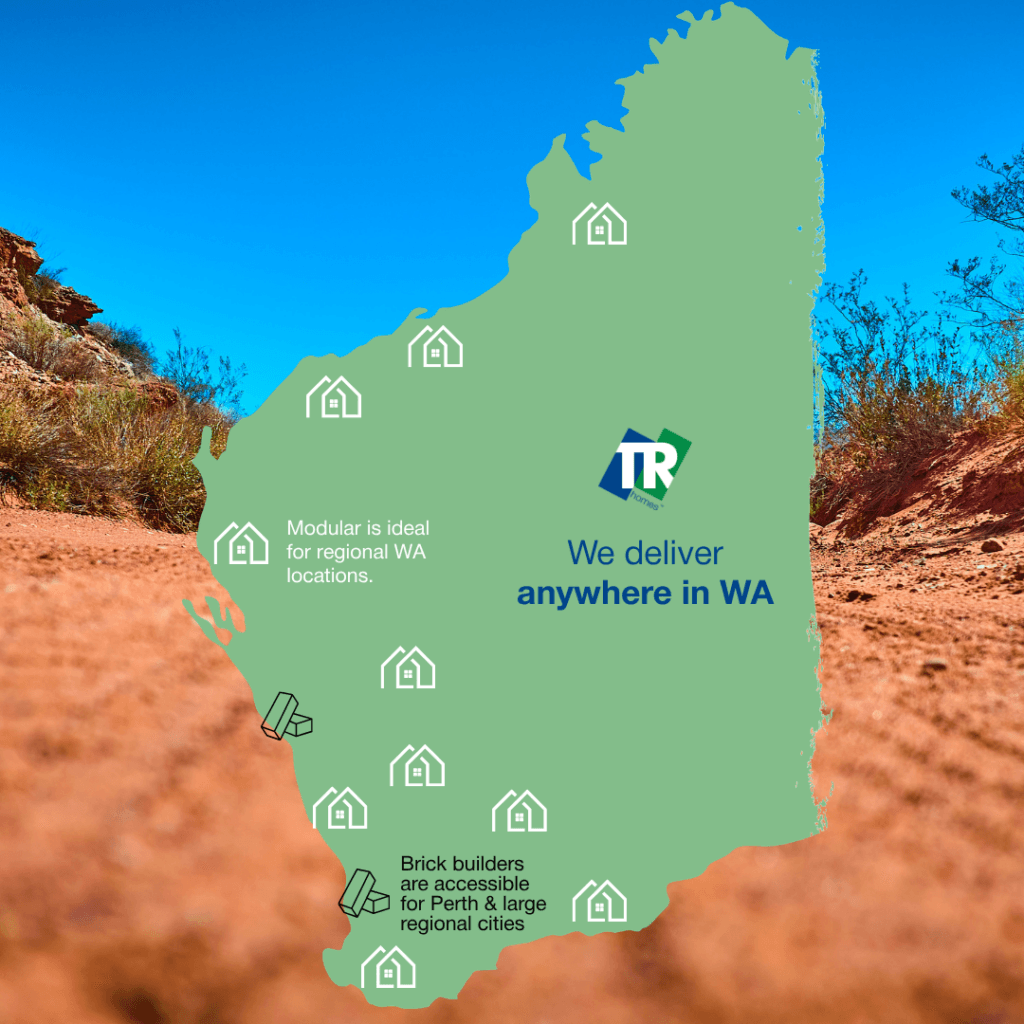
Traditional brick construction is better suited to Perth metro areas and large regional cities, where material deliveries are frequent, and trades are local. Most residential construction companies are reluctant to build homes too far away from the city or major regional towns. That’s because the costs of building traditional brick and tile homes in remote locations tend to be higher – one significant challenge being finding specialist tradies willing to travel to site.
Modular homes are ideal for regional and remote WA because the process is reversed with builders like TR Homes accessing city-based trades in a central location to build the home before it is transported largely complete to site. This ensures high-quality construction and faster turnaround times. While modular homes, particularly granny flats, can be built for dense residential areas, they require 6-metre-wide truck access and enough street width to reverse in. They can be craned onto the site; however, the extra cost can make it an unviable option.
TR Homes delivers across the entire state, from the Kimberley to the Great Southern. Transport is included within 200km of our construction yard, or we’ll provide a quote outside this radius.
How do the materials differ between brick and modular homes?
Concrete slab
Both traditional and some modular homes (including TR Homes) rely on a solid concrete slab. It’s worth noting that not all modular homes use concrete, so it’s worth checking when doing your builder research. Concrete is preferred in WA’s cyclone-prone areas and provides excellent thermal properties—keeping the home cooler in summer and warmer in winter.
TR Homes chooses premium Gray’s Concrete floors, which are available in several sizes and suitable for any type of internal floor covering or polishing.
From the frames up: the major difference lies in the framework
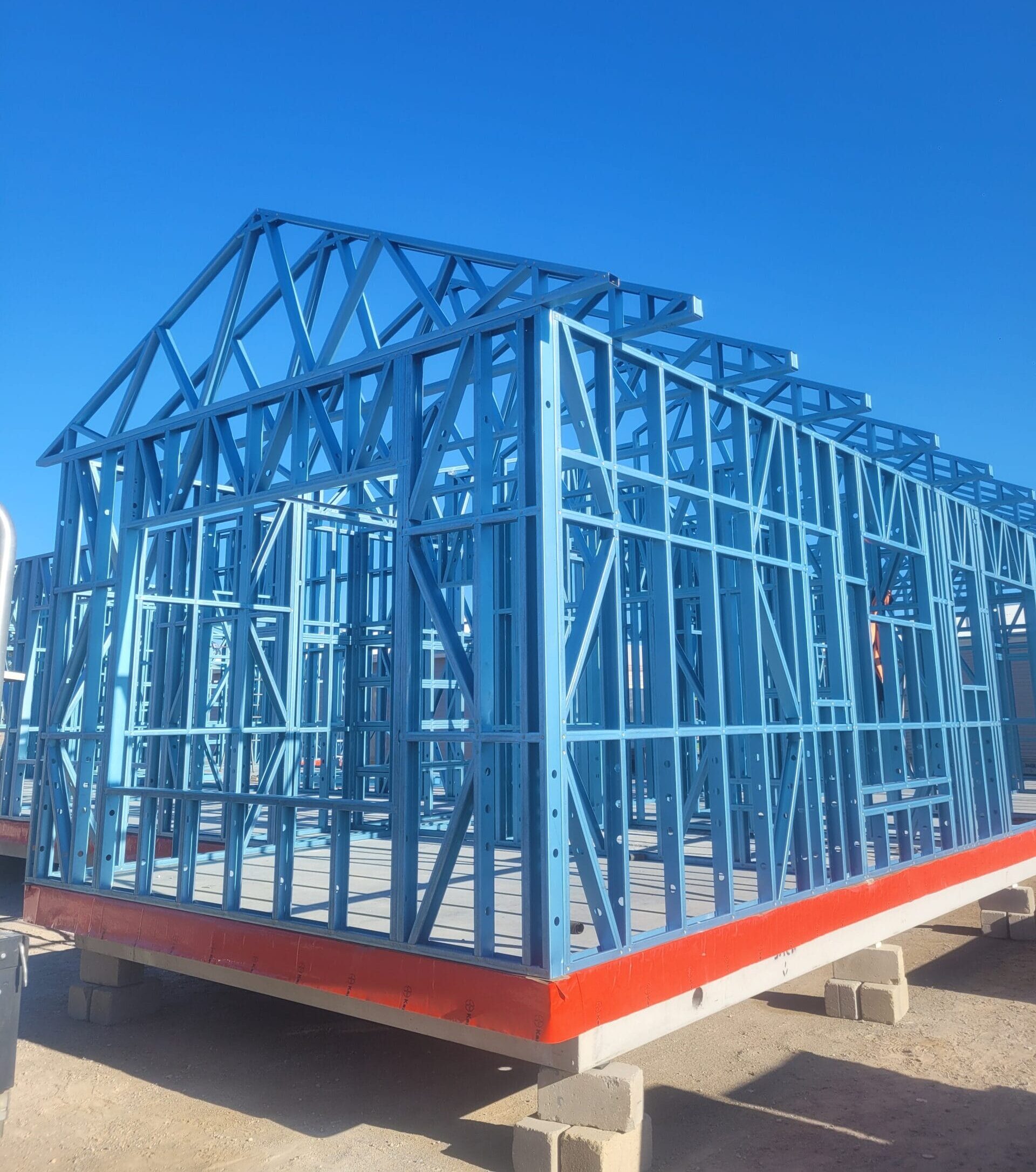
While traditional WA homes are typically double-brick, modular homes in WA are usually timber or steel-framed. Because these homes must withstand transport, they are built with greater structural rigidity than a traditional site-built home and are not prone to the settling cracks often found in brick.
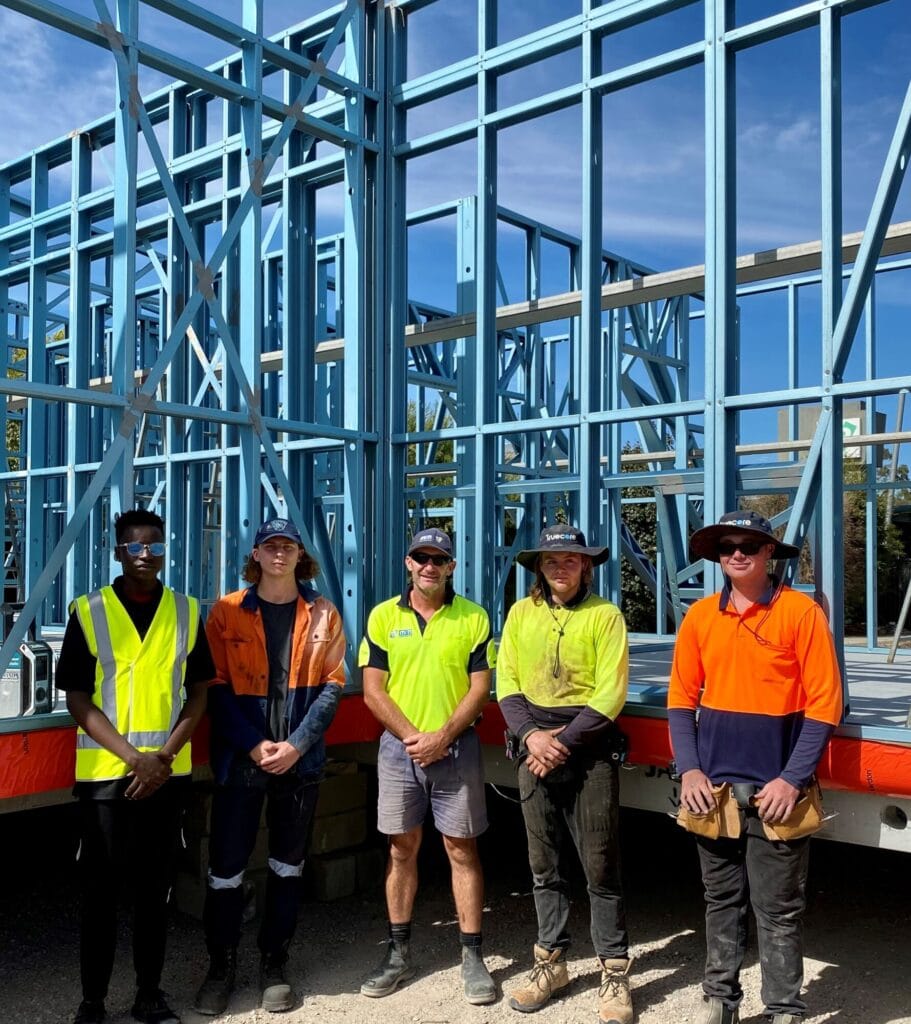
TR Homes utilises BlueScope TRUECORE® steel. Unlike imported alternatives, TRUECORE® steel is precision-engineered for consistent thickness and structural integrity, featuring a triple-layer protective alloy coating designed for Australian conditions. And unlike timber, it’s 100% termite-proof and won’t warp or twist over time.
Note: Australian-made TRUECORE steel provides a 50-year warranty!
Insulation and Energy
Every new home must meet the new 7-star energy ratings, regardless of construction method. In a traditional brick home, insulation is often limited to the roof space and only if required between the brick cavities.
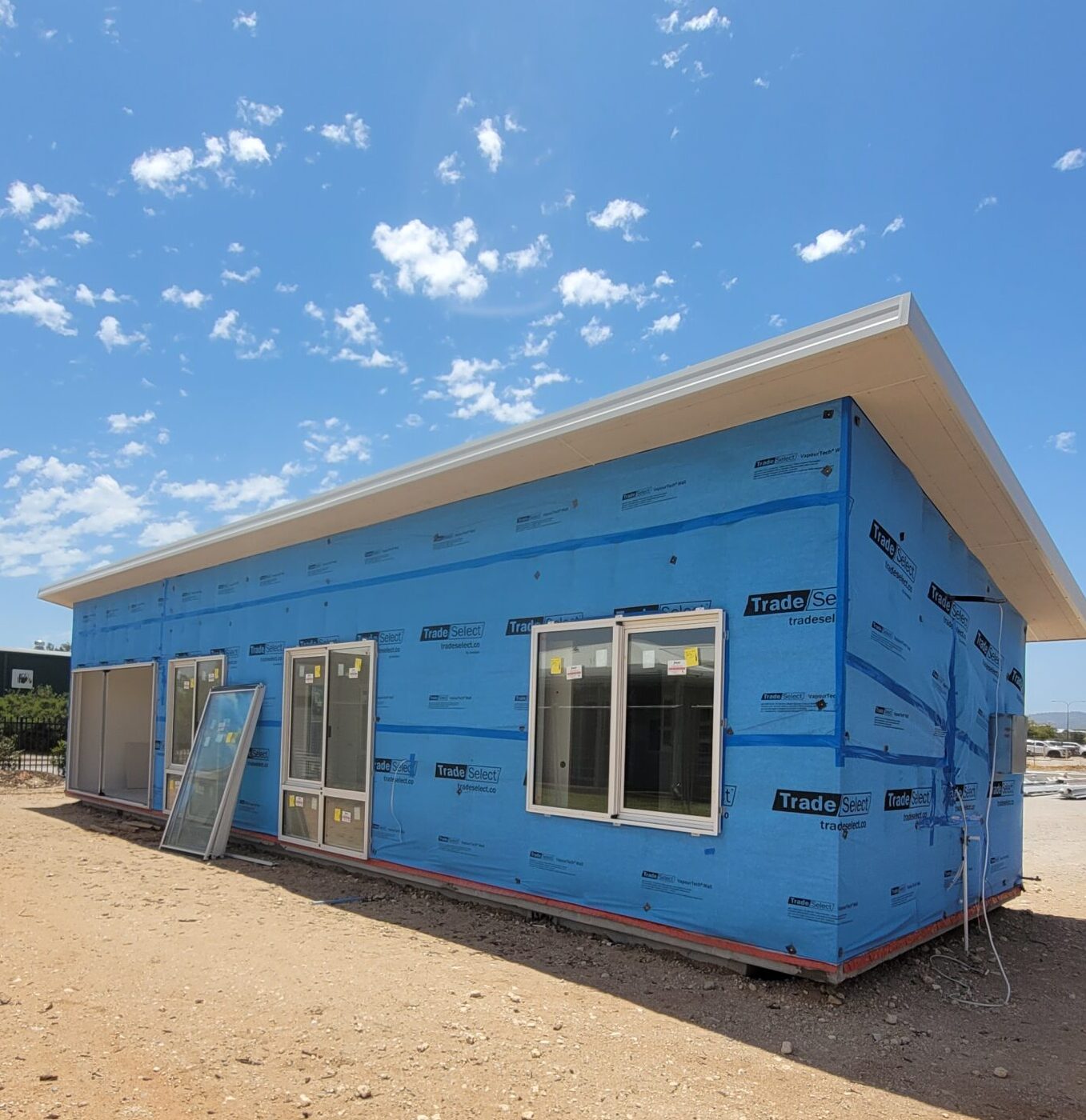
In a modular home, the entire structure is wrapped in a weather barrier before cladding is applied, creating an efficient ‘thermal envelope’ (picture a protective blanket around the home).
TR Homes uses premium TradeSelect wall wrap. This acts as a lightweight weather barrier and controls moisture, providing excellent thermal protection and low flammability for bushfire-prone zones. We also install thick, high-density insulation batts in ceilings and external walls to ensure your home stays cool in summer and warm in winter.
Internals
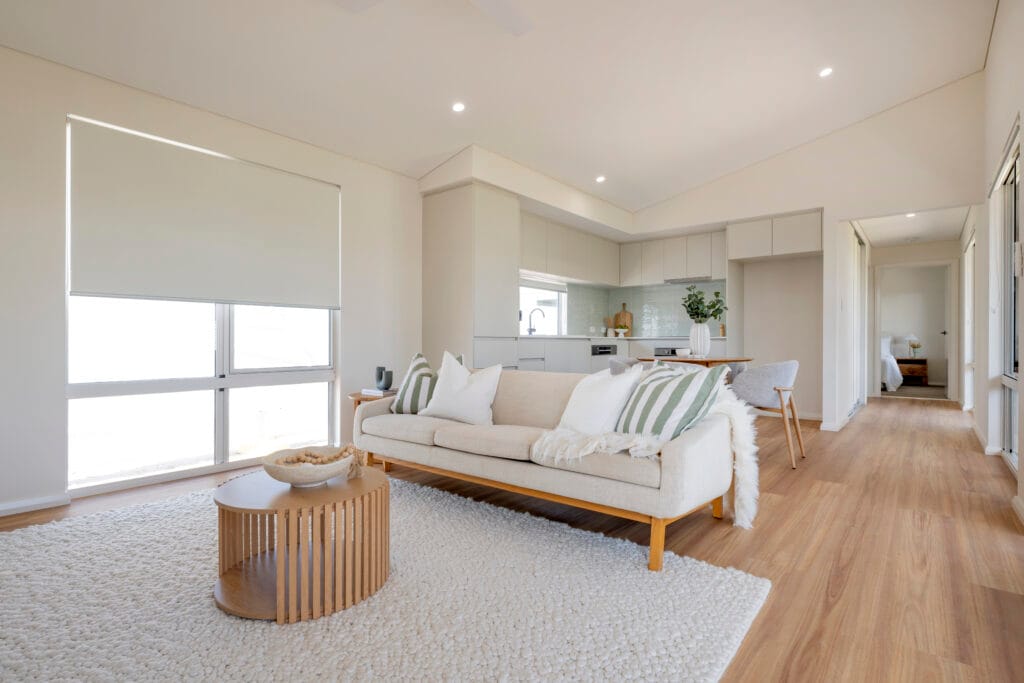
The fixtures, cabinetry, and flooring in a modular home are the same as those in a traditional build. The primary difference is the wall finish.
Traditional: Most WA builds use plaster. Many homeowners like its solid feel and sound-dampening qualities, though its rigidity makes it more susceptible to hairline cracks as the house settles.
Modular: Modular homes use plasterboard fixed to the frame. This system offers a perfectly flat finish and superior flexibility, allowing the home to absorb minor movement and transport without cracking. Internal wall insulation can be added, which provides superior acoustic dampening and improves overall thermal performance.
Ultimately, once painted, both finishes look identical. The choice simply comes down to whether you value the solid feel of plaster or the precision and flexibility of a framed wall.
Timeframes: Are modular homes faster to build?
Short answer is yes! It’s one of the primary advantages of building a modular home, especially in the current climate. However, approval times remain the same for both.
Traditional: In a traditional build, one trade must finish before the next can begin. Currently, a traditional brick build in WA can take *12 to 24 months.
Modular: Modular home construction begins while site work is underway, saving months on your construction timeline. Because the home is built in a construction yard, trades don’t lose time travelling between sites and can work on multiple homes simultaneously, removing the usual waiting periods between stages.
“The greatest benefit is the head start,” says Nathan Hollis, Group Sales and Business Development Manager at TR Homes. “By constructing the home and preparing the site simultaneously, you remove the sequential delays common on a traditional site.”
At TR Homes, the average construction time is *17 weeks once the slab is in the yard, providing a level of certainty that is rare in the current construction climate.
*Accurate as of the date of publishing.
Customising your home: why flexibility matters in traditional and modular construction
Your home should be a reflection of your specific needs. There’s nothing more frustrating than being limited by choice – a common hurdle many homeowners face with traditional project builders. These builders often rely on high-volume repetition, restricting everything from tile sizes to floor plan changes.
In the case of TR Homes, our base-level designs are really just a starting point. From a one-bedroom granny flat to a 5-bedroom farmhouse, our layouts are fully adaptable. Enjoy the freedom to choose finishes that suit your style and make important modifications for accessibility.
This flexibility is why custom, bespoke designs were our top sellers in 2025.
Can you finance a modular build?
Financially, the industry has matured. In the past, financing a modular build had some hurdles, but the WA government’s embrace of modern construction methods has paved the way for lenders. Major providers and Keystart now offer pathways for modular buyers, recognising them as the permanent, high-value assets they are. Plus, TR Homes is an approved CommBank Assessed Manufacturer and a Keystart-approved builder, allowing our customers to access better loan terms.
Which is Right for You?
The decision ultimately rests on your priorities:
- If you are building in the Perth residential area or a major regional city, with limited block access, a traditional project builder is likely a more cost-effective path.
- If you are building in regional or rural WA, or a much shorter completion window is important to you, modular construction offers a controlled, high-quality, and predictable solution.
Now that you have a better understanding of construction methods best suited to your location and lifestyle, and you’d like to know more about building a modular home, explore our range of customisable designs today. Alternatively, chat with an expert team member who can answer any burning building questions.